Where an outdoor awning makes a difference
The best spot for shade might be over a west-facing window or the end of the table where nobody wants to sit at lunch. Look at the shadow you need before picking the awning.

Ideas & advice
Explore fabrics, fittings and the Australian businesses that work with them every day.
The best spot for shade might be over a west-facing window or the end of the table where nobody wants to sit at lunch. Look at the shadow you need before picking the awning.
Put your hand near the edge of the patio opening on a breezy evening. The fabric may shelter the seating area, but gaps and moving air have a say in how comfortable it feels.
Ask for width, projection, fabric, control and installation on separate lines. It’s easier to compare two awnings when you can see how much shade each will cast and what’s included.
Mark the patch of glass or paving you’d like to shade at the hottest part of the day. A window awning and a folding arm over a deck put their shadows in different places.
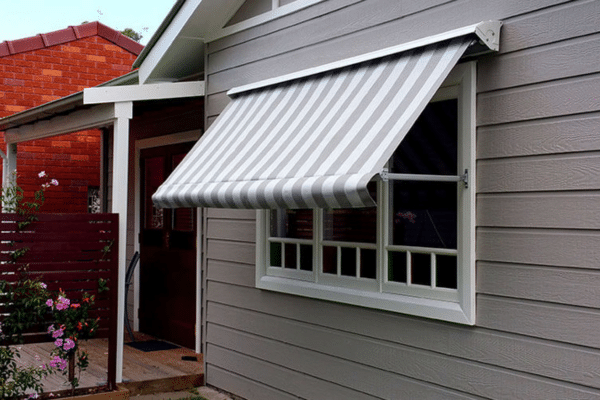
A drop-arm awning moves the cloth away from the window. That gap changes the view and airflow, and it also means checking where the arms travel as you lower the shade.
The midday shadow can miss a window that gets its worst sun at four. Start with the time of day and the direction of the glass, then compare how each blind meets that angle.
A sheltered courtyard and an exposed balcony can need different fabrics and fittings even on the same street. Show the installer where wind and late sun reach the opening.
Decide how much of the outlook you want to keep from the table. For a street-facing balcony, compare that view with the privacy you get when the outdoor lights come on.
Draw the opening as seen from your chair. Note the posts, handrails, prevailing breeze and the path back inside. These details narrow the choice of guides and fabric.
Walk towards the shop from both directions. A good canopy shades the frontage while leaving the sign, entrance and path easy to see.
Look above the opening as well as around it. The headbox, side guides and control need space, and the installer should explain how the shutter operates if power is interrupted.
Consider the edges of the opening before choosing the mesh. Posts, levels and nearby doors influence how a guided blind can fit and where you can move when it’s down.
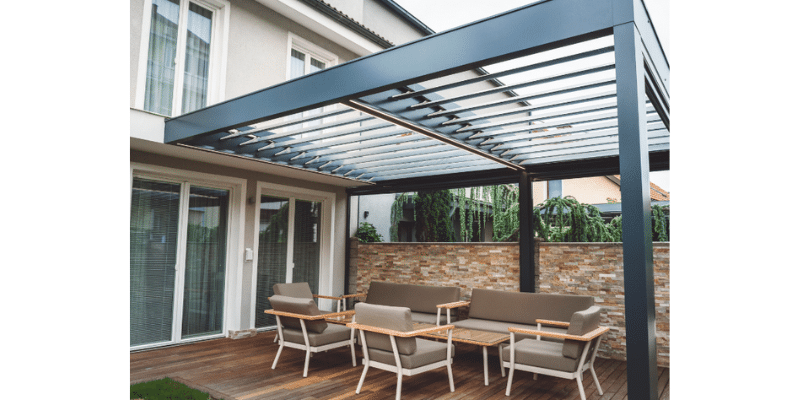
Stand beneath the proposed roof on a sunny afternoon. Glass keeps a view of the sky, but you’ll want to consider shade, drainage and access for cleaning.
Find a blinds, curtains or awnings business in your state or territory.
Browse the directory →